
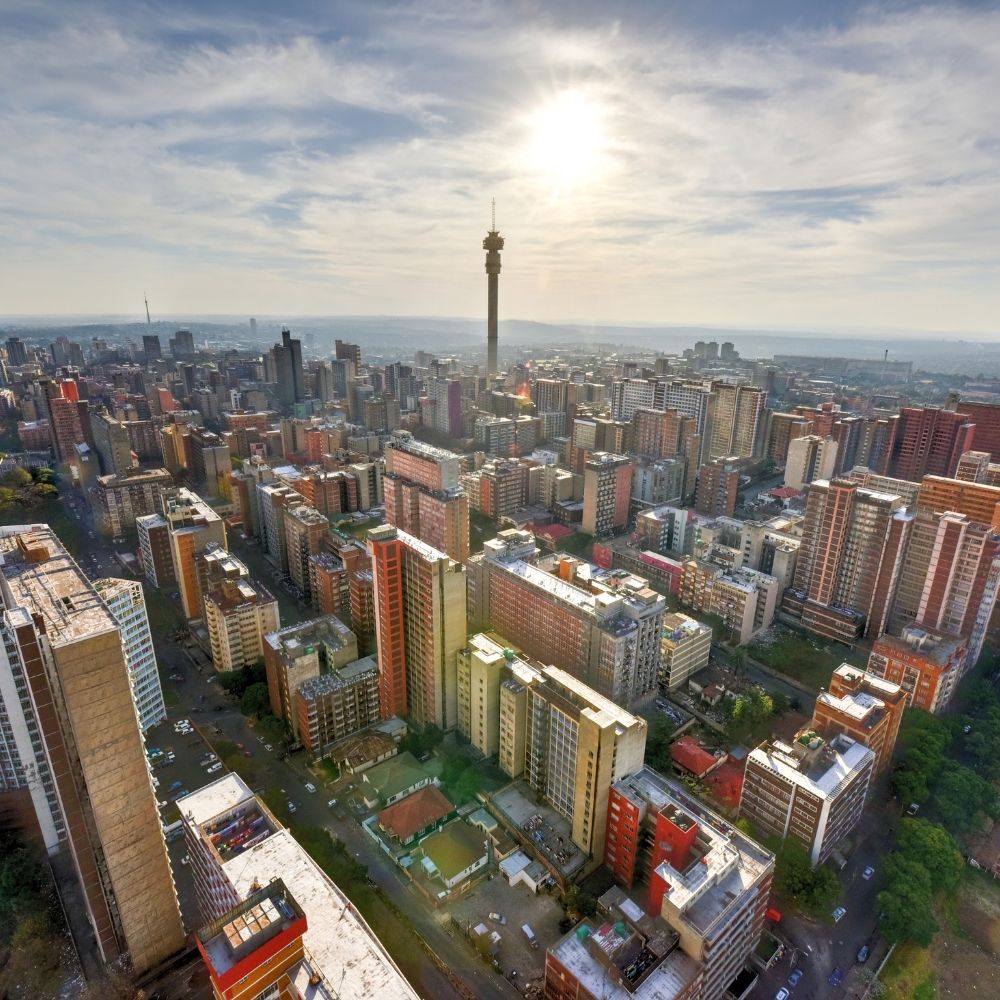
South Africa plays a critical role in the PRC’s African trade relationships because of the relative sophistication of its transportation network. South Africa has built 750,000 km of roads, 30,000 km of rail tracks, and four of Africa’s eight largest bulk ports; the entire sub-Saharan region is also tied to South Africa’s major international airport in Johannesburg.
China is a major beneficiary of this infrastructure. According to the bilateral connectivity index provided by the United Nations Conference on Trade and Development, the leading partners for South African ports in 2019 (with a maximum possible value of 1) were China (0.390), Singapore (0.384), Sri Lanka (0.360), Mauritius (0.351), and Togo (0.337). In a recent demonstration of the rapidity of shifts in global export patterns, South Africa is one of the countries which have seen increased demand in coal because China effectively banned coal imports from Australia in 2020.ii In that year, coal was exported from South Africa to China for the first time in four year and the port in Richards Bay exported roughly 654,000 tons of coal to the PRC.
Other landlocked countries in the region are reliant on South African ports to conduct business with the PRC. 99% of the shipments from the port of Saldanha between January and June 2020 consisted of ores and concentrates, 63% of which was destined for China. Crude cobalt hydroxide exports from the Democratic Republic of Congo to China, which represents the vast majority of global trade flows for cobalt intermediates, are typically transported to the port of Durban and then shipped to refineries in China with a one to two month transport period.
For more information about this study, please send an email to inquiries@textore.net and include your name and contact information.